can eating protein make you tired Does eating just protein make you lose fat?
Eating protein is essential for a healthy diet and overall well-being. As science continues to uncover the benefits of this macronutrient, let’s explore three important things you need to know about incorporating protein into your diet.
- Protein Helps Build and Repair Tissues
Protein serves as the building block for our muscles, bones, skin, and organs. It contains amino acids, which are vital for promoting tissue growth, repair, and maintenance. Whether you’re an athlete looking to build lean muscle or simply want to support your body’s natural recovery process, ensuring an adequate intake of protein is crucial.
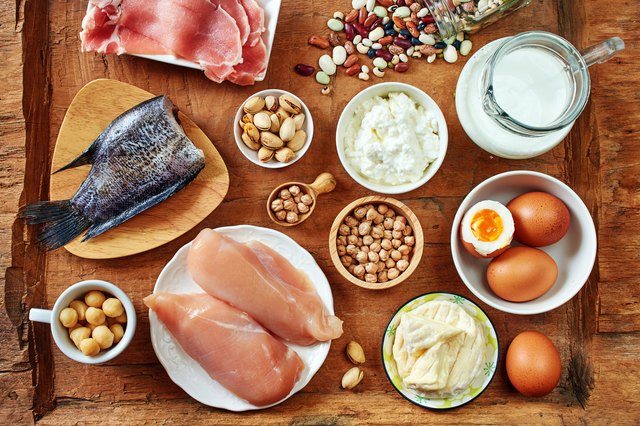
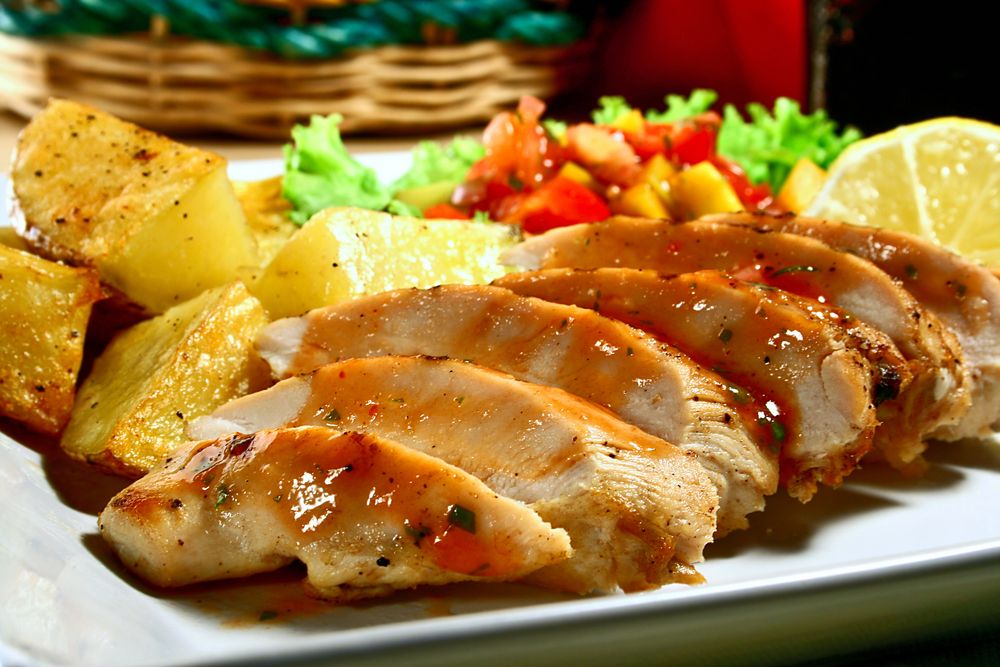 When it comes to choosing protein sources, variety is key. Incorporate lean meats like chicken, turkey, and fish into your meals. If you follow a plant-based diet, opt for legumes, lentils, tofu, and quinoa. These foods not only provide protein but also offer additional vitamins, minerals, and fiber.
- Moderation is Key
While protein is an essential part of a balanced diet, it’s important to consume it in moderation. Too much of anything can have negative effects, and protein is no exception.
 Excess protein consumption is unlikely to directly cause fat gain. However, it can contribute to weight gain if it leads to an overall calorie surplus. The key is to strike a balance and ensure that your protein intake aligns with your body’s needs and your overall energy expenditure.
It’s recommended that adults aim for a daily protein intake of about 0.8 grams per kilogram of body weight. This means that a sedentary adult weighing 150 pounds (68 kilograms) would require approximately 55 grams of protein each day. If you engage in regular exercise or have specific health goals, consulting with a nutritionist or healthcare professional can help determine the appropriate protein intake for your needs.
- Quality Matters
Not all protein sources are created equal. It’s important to choose high-quality protein sources to maximize the nutritional benefits.
Animal-based proteins offer all the essential amino acids our bodies need, making them complete proteins. However, it’s also crucial to select lean cuts of meat and poultry to avoid excessive saturated fat intake. Fish, such as salmon and trout, are excellent sources of protein and heart-healthy omega-3 fatty acids.
If you follow a vegetarian or vegan diet, combining different plant-based protein sources throughout the day can help ensure you’re getting all the necessary amino acids. For example, pairing legumes with whole grains or nuts with seeds creates a complete protein profile.
Incorporating protein into your meals can be enjoyable and delicious. Experiment with various recipes and explore the numerous food options available to meet your protein needs. Remember, balance, variety, and quality are the keys to reaping the benefits of this essential macronutrient.
If you are looking for Can TOO MUCH Protein Make You FAT? - YouTube you’ve visit to the right place. We have 5 Images about Can TOO MUCH Protein Make You FAT? - YouTube like Does Eating Just Protein Make You Lose Fat? | Livestrong.com, Can TOO MUCH Protein Make You FAT? - YouTube and also Does Eating Just Protein Make You Lose Fat? | Livestrong.com. Here you go:
Can TOO MUCH Protein Make You FAT? - YouTube
www.youtube.comHow Much Protein Should You Eat To Lose Fat - WHMUC
 whmuc.blogspot.com3 Things You Need To Know About Eating Protein | Live Science
www.livescience.comprotein eating weight
Does Eating Just Protein Make You Lose Fat? | Livestrong.com
 www.livestrong.comprotein eating fat livestrong
Can Eating Less Protein Actually Help You Build Muscle? | TrainingPeaks
 www.trainingpeaks.comHow much protein should you eat to lose fat. 3 things you need to know about eating protein. Can eating less protein actually help you build muscle?