is keto diet good for kidney stones The keto diet for kidney disease: what ckd patients should know
The ketogenic diet, commonly known as the keto diet, has gained popularity in recent years for its potential weight loss benefits and ability to improve certain health conditions. However, there have been concerns about the effects of this diet on kidney health. Let’s explore the relationship between the keto diet and kidney stones.
Understanding Kidney Stones
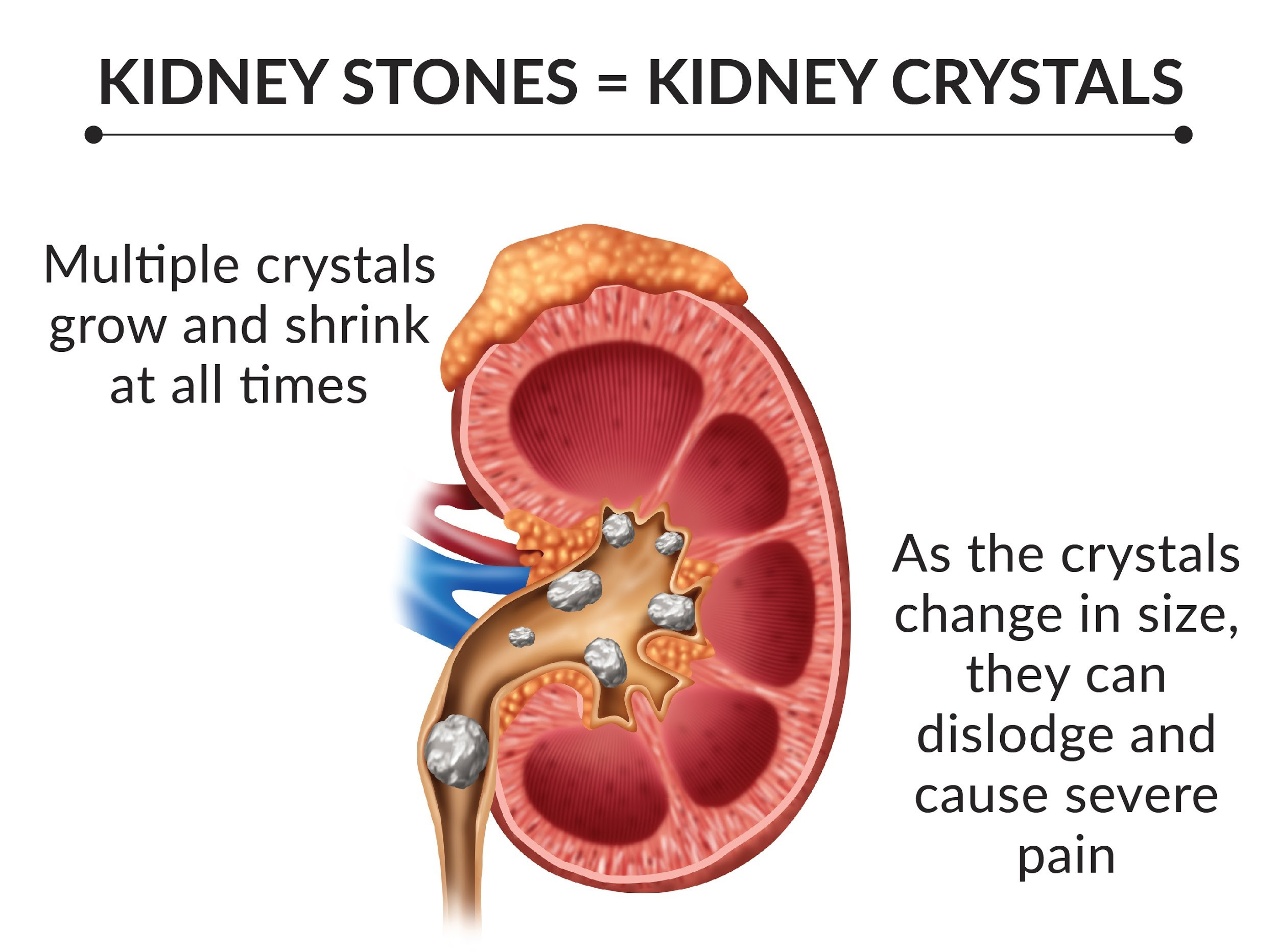
Kidney stones are hard deposits that form in the kidneys and can cause severe pain when they pass through the urinary tract. They are often made up of calcium oxalate, uric acid, or other substances. Several factors can contribute to the formation of kidney stones, including genetics, dehydration, and certain medical conditions.
While the exact cause of kidney stones is not always known, diet is believed to play a role. Some studies have suggested that diets high in animal protein, sodium, and refined sugars can increase the risk of developing kidney stones. On the other hand, diets rich in fruits, vegetables, and whole grains are associated with a lower risk of kidney stone formation.
The Keto Diet and Kidney Stones
The keto diet is a low-carbohydrate, high-fat diet that aims to induce a state of ketosis in the body. Ketosis is a metabolic state in which the body primarily burns fat for fuel instead of carbohydrates. While the keto diet has been shown to be effective for weight loss and improving insulin sensitivity, it may have some implications for kidney health.
Research suggests that the keto diet may increase the risk of developing kidney stones. The diet is typically high in animal protein and low in fruits and vegetables, which could contribute to the formation of kidney stones. Additionally, the high fat intake on the keto diet can alter the urine pH, making it more acidic and potentially increasing the risk of stone formation.
Managing Kidney Stones on the Keto Diet
If you have a history of kidney stones or are concerned about the potential risk while following the keto diet, there are some steps you can take to minimize this risk:
1. Stay Hydrated
Drink plenty of water throughout the day to maintain adequate hydration. This can help dilute urine and prevent the concentration of stone-forming substances.
2. Monitor Protein Intake
Although protein is an essential macronutrient, excessive intake can increase the burden on the kidneys. Opt for lean sources of protein and try not to exceed the recommended daily intake.
3. Include Low-Oxalate Foods
Oxalate is a substance found in some foods that can contribute to the formation of calcium oxalate kidney stones. Incorporate low-oxalate options such as leafy greens, broccoli, and berries into your meals.
4. Consume Healthy Fats
While the keto diet encourages high fat intake, focus on consuming healthy fats like avocados, nuts, and olive oil. These fats provide essential nutrients without increasing the risk of kidney stones.
5. Regular Monitoring
If you have a history of kidney stones or are at a higher risk, it is important to have regular check-ups with your healthcare provider. They can monitor your kidney health and provide guidance specific to your needs.
 It’s essential to remember that everyone’s body is unique, and what works for one person may not work for another. If you’re considering the keto diet or have concerns about kidney stones, it’s best to consult with a registered dietitian or healthcare professional who can provide personalized advice based on your health history and goals.
Conclusion
The keto diet may offer weight loss benefits and improve certain health conditions, but it’s important to be mindful of its potential impact on kidney health. The risk of developing kidney stones may increase due to the high animal protein content and altered urine pH associated with the diet. By staying hydrated, monitoring protein intake, consuming low-oxalate foods, and opting for healthy fats, you can minimize the risk of kidney stones while following the keto diet. As always, consult with a healthcare professional for personalized guidance.
 Remember to prioritize your health and make informed decisions when considering any dietary changes. Your kidneys play a crucial role in maintaining overall well-being, and it’s vital to provide them with the care they deserve.
If you are searching about 21 Ideas for Keto Diet Kidney Stones - Best Recipes Ideas and Collections you’ve visit to the right page. We have 5 Pictures about 21 Ideas for Keto Diet Kidney Stones - Best Recipes Ideas and Collections like 21 Ideas for Keto Diet Kidney Stones - Best Recipes Ideas and Collections, The Keto Diet for Kidney Disease: What CKD Patients Should Know and also 21 Ideas for Keto Diet Kidney Stones - Best Recipes Ideas and Collections. Here you go:
21 Ideas For Keto Diet Kidney Stones - Best Recipes Ideas And Collections
 eatandcooking.comkidney
The Keto Diet For Kidney Disease: What CKD Patients Should Know
www.plantpoweredkidneys.comdisease ckd renal dietitian
21 Ideas For Keto Diet Kidney Stones - Best Recipes Ideas And Collections
eatandcooking.comketo
The Keto Diet For Kidney Disease: What CKD Patients Should Know
 www.plantpoweredkidneys.comkidney ckd ketogenic
Study On The Keto Diet And Kidney Stones | Bariatric Station
 www.bariatricstation.com21 ideas for keto diet kidney stones. Disease ckd renal dietitian. Study on the keto diet and kidney stones